Our negotiators are recognised experts in collective bargaining and are leading employment relations strategists.
Collective bargaining is the negotiation process between unions and employers about the terms and conditions of collective employment agreements.
Effective collective bargaining can significantly improve productivity in the workplace by ensuring negotiations are efficient, strategic planning is implemented, and employment relationships are protected throughout the process.
We believe in interest-based bargaining centred around equitable settlements that satisfy the interests of both parties, maintain workplace relationships, and maximise workforce engagement. Our approach is grounded in our experience that what helps relationships, helps businesses.
Our collective bargaining experience includes:
Public Sector
Education
Aviation
Logistics
Transport
Retail
Manufacturing
Healthcare
Aged Care.
Our experienced bargaining team can assist with the entire collective bargaining process, including drafting collective employment agreements that consider the details that matter.
Our team can also facilitate private mediation to help progress the bargaining process in the event that it becomes stalled.
Our experienced mediators can facilitate private mediation to help progress the bargaining process if it becomes stalled, and positively conclude a collective agreement.
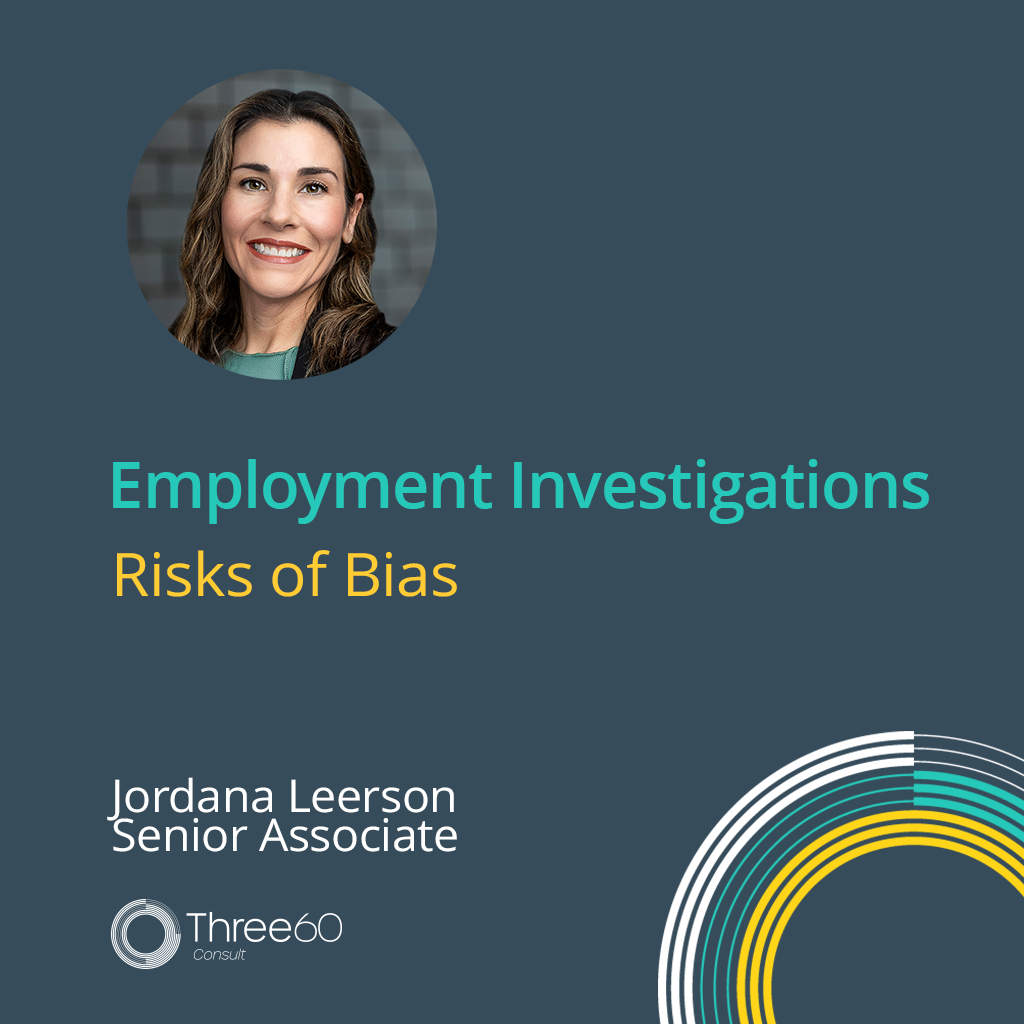
Bringing over 15 years of experience in Human Resources, Employment Relations, Industrial Relations, and Talent Acquisition across both the public and private sectors in New Zealand, Jordana Leerson has led complex employment matters and advised
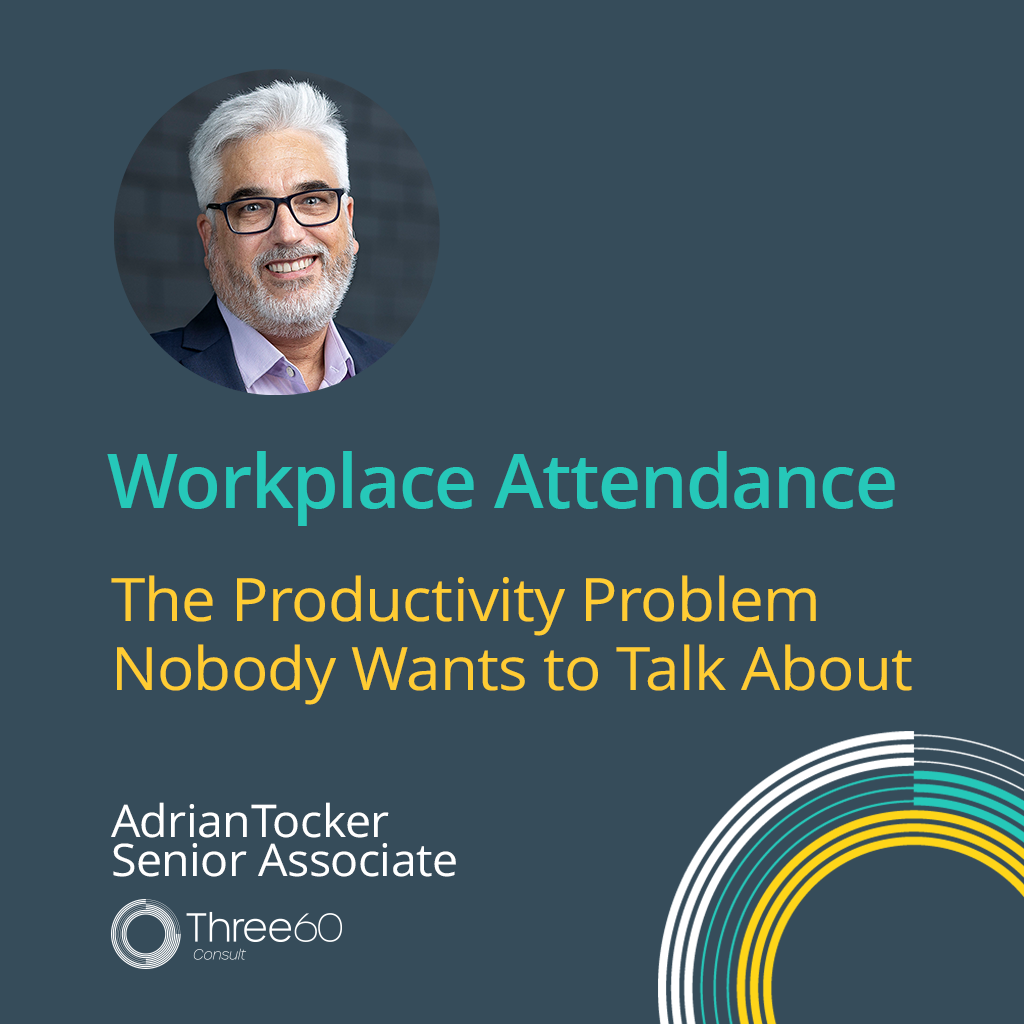
For more than 20 years in employment relations, industrial relations and HR, Adrian Tocker has been called into organisations to help solve workplace problems. Across different industries, ownership structures and workforces, one issue appears more
Campbell Gourlay, Senior Associate at Three60 Consult, explores how leadership behaviour influences workplace culture, employee conduct and psychological safety, and why the attention leaders give to workplace issues can shape outcomes long before formal management processes